How freight forwarding streamlines international shipping
International shipping is a chain of handoffs, regulations, and documents. A good forwarder turns that chain into one managed process. Here's where the value actually comes from.
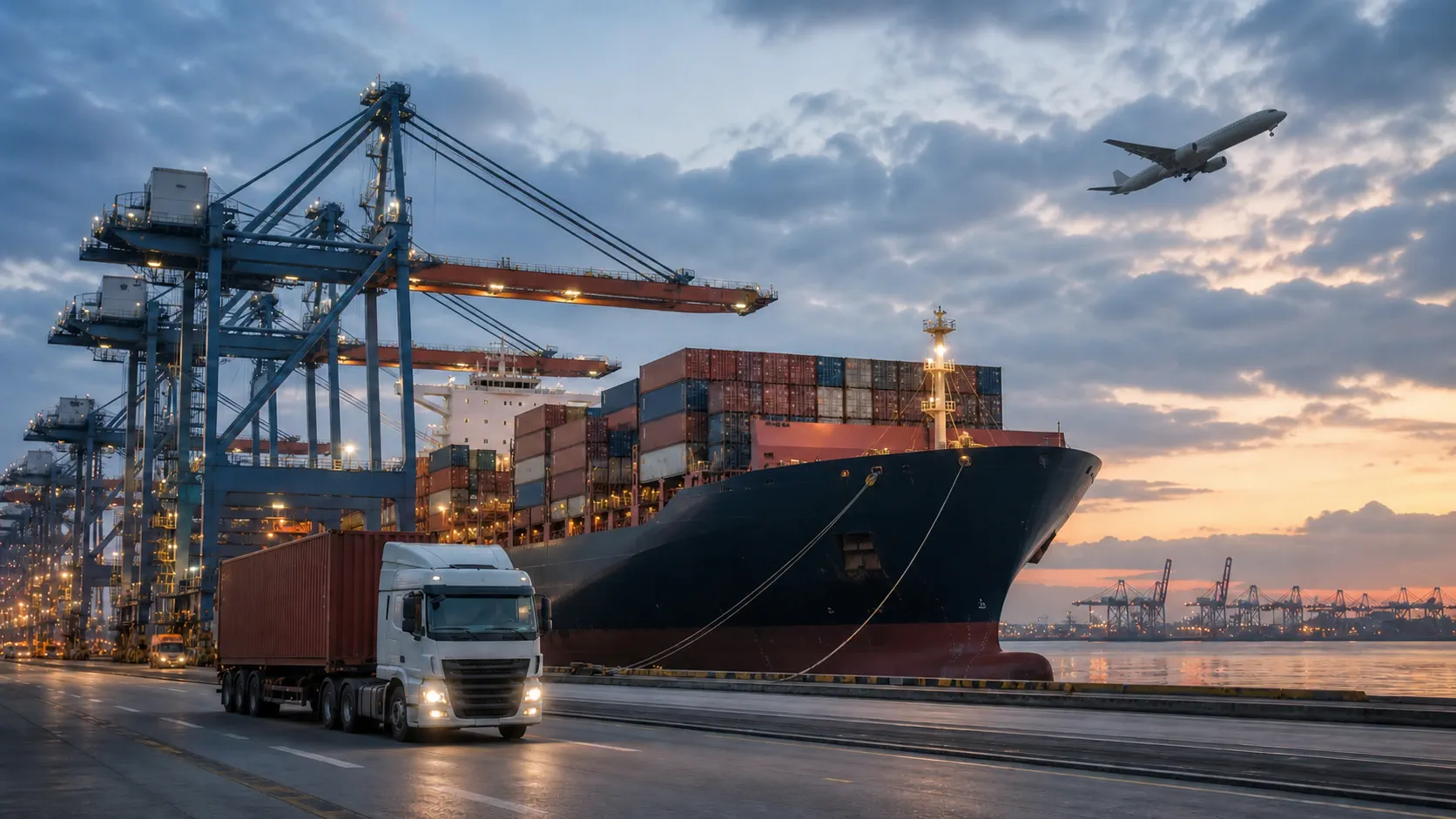
One coordinator across every mode
Most international shipments are multimodal: a truck to the port, a vessel across the ocean, another truck — or rail leg — to the final door. Each handoff is a chance for delay, damage, or miscommunication. A forwarder plans the whole chain as one movement, booking each leg so that arrival times, free-time windows, and clearance milestones line up instead of colliding.
Regulations and customs, handled once
Every border adds rules: import declarations, commodity classifications, duties, permits, and inspection regimes that change with little notice. Forwarders process these requirements daily, so documentation is prepared to match what customs actually expects — the single biggest factor in avoiding clearance delays. When regulations change on a lane you use, a forwarder flags it before it becomes a stuck container.
Consolidation: paying for what you use
Shippers without full-container volumes face a poor choice: pay for empty space, or wait until enough orders accumulate. Consolidation solves this by grouping compatible cargo from several shippers into one container. Each pays for the space occupied, and cargo moves on regular schedules instead of waiting for volume. On lanes with steady flow — such as the Far East to Egypt — consolidation can make small-lot importing genuinely economical.
Cost optimization beyond the rate
The freight rate is only part of landed cost. Forwarders reduce the rest: demurrage avoided by synchronized trucking, storage costs cut by routing through the right gateway, re-work avoided by correct export packing, and duty surprises prevented by classification guidance up front. They also aggregate volumes across many clients, which gives them buying leverage an individual shipper rarely has.
Warehousing and insurance in the same flow
Cargo often needs to pause — waiting for clearance, a distribution slot, or a consolidation cut-off. Forwarders integrate bonded and non-bonded storage into the route so the pause is planned, not improvised. They also help arrange cargo insurance matched to the goods and route, so coverage questions are answered before the shipment moves rather than after a claim.
What this means for your business
- One contact instead of five vendors — trucker, carrier, broker, warehouse, and insurer coordinated by one team.
- Fewer surprises — documentation and compliance handled by people who do it every day.
- Better economics — consolidation, routing, and buying leverage working in your favor.
- Visibility — milestone tracking and proactive updates rather than chasing status by phone.
Transit times and costs always depend on route, carrier, cargo, documentation, and market conditions — no forwarder controls the weather or a port strike. What a forwarder does control is preparation, coordination, and response. That's the difference between a shipment that manages itself and one that manages you.